Founder Interview
What will I devote this life to?
Through culture, I want to bring “room for the heart” to the world.
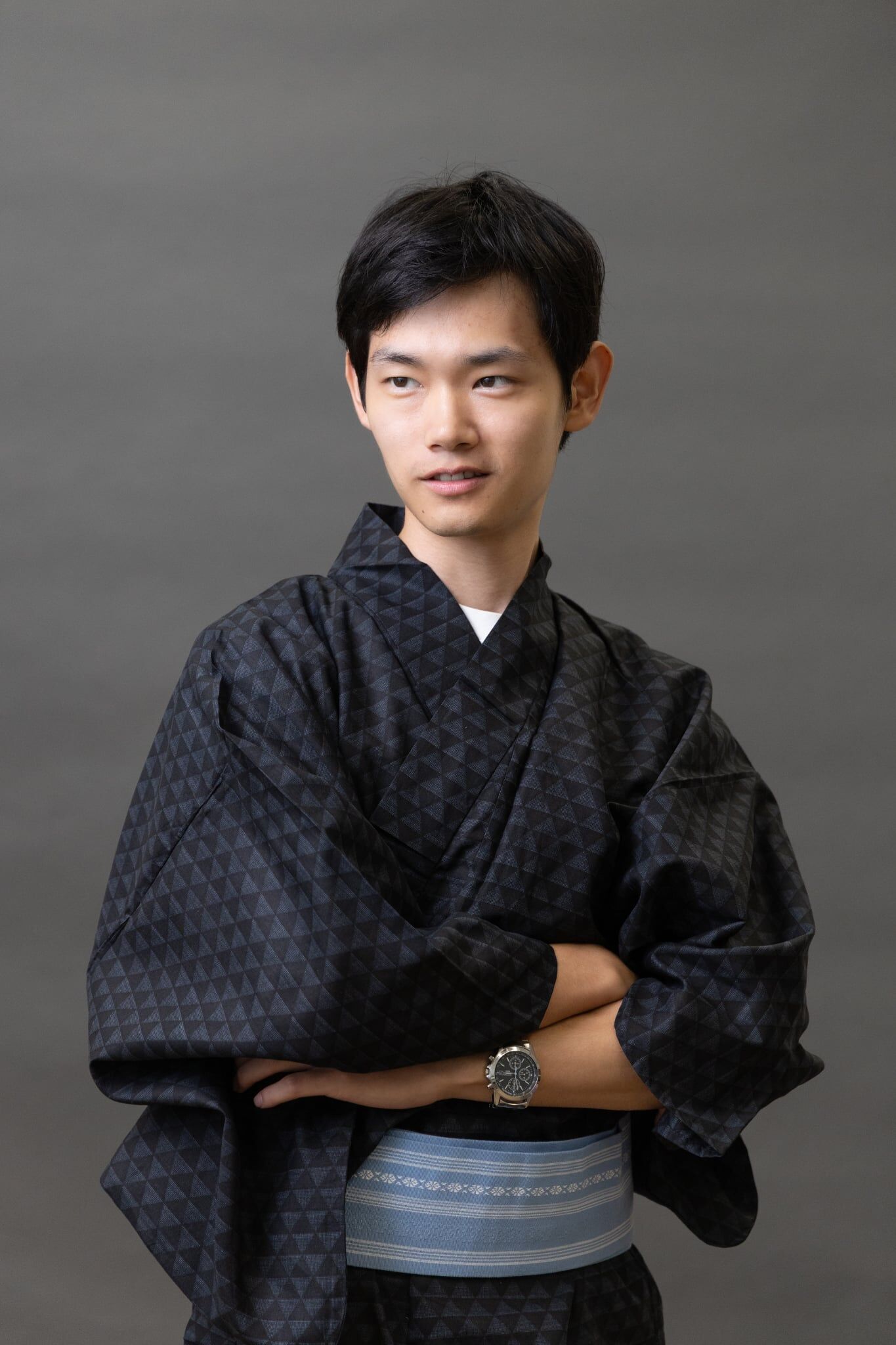
Kazuki Nakajima|中嶋 夏月
Founder & CEO, MAORA
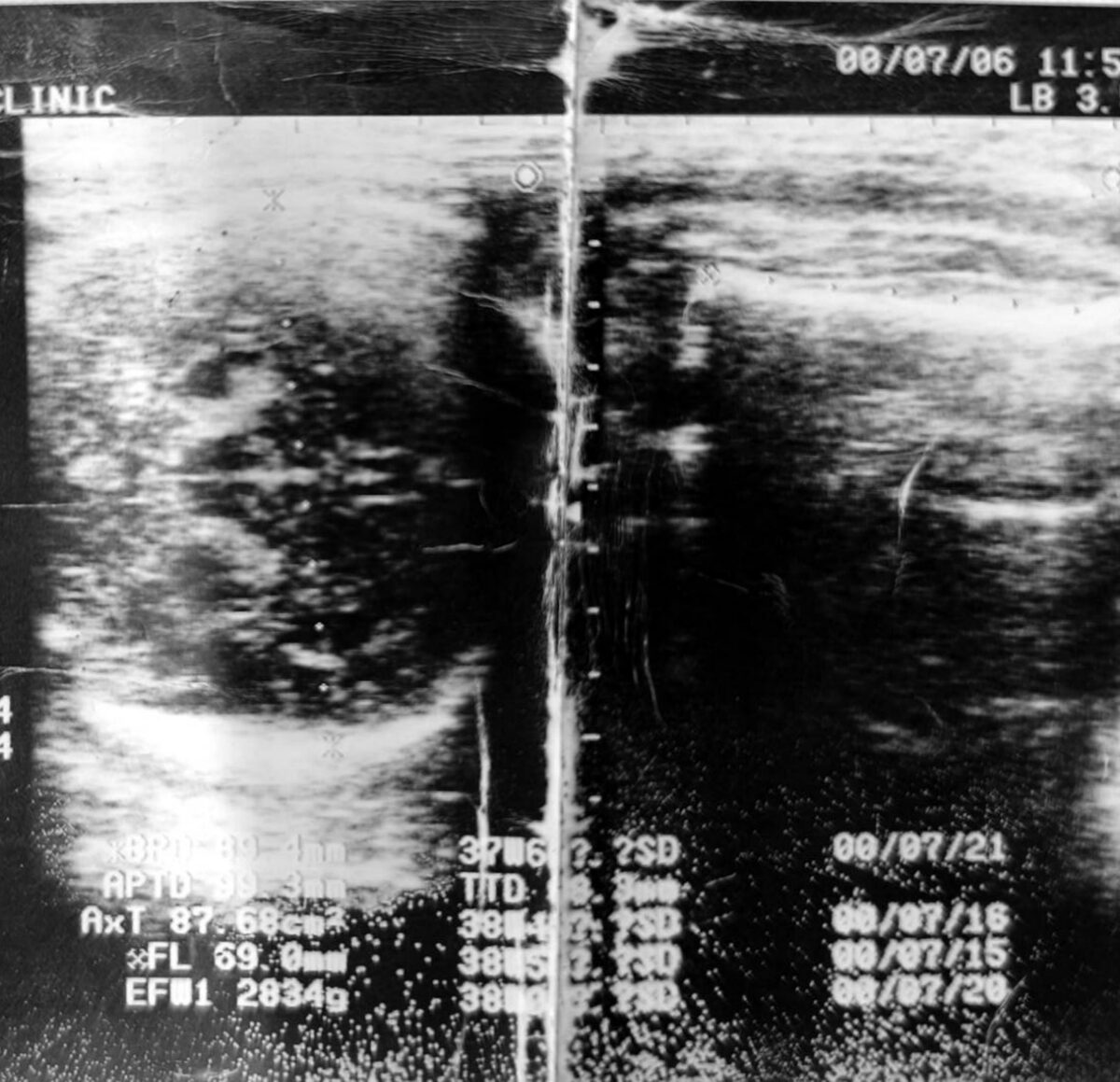
This is a photo of me from when I was still in my mother’s womb.
How would I live this life? Back then, I knew nothing. Today, I am working to create a place in San Francisco where people can experience Japanese culture as part of their everyday lives.
To get here, I traveled to many places, met many people, and kept asking myself what I wanted to do.
Second grade, when I learned that life comes to an end.
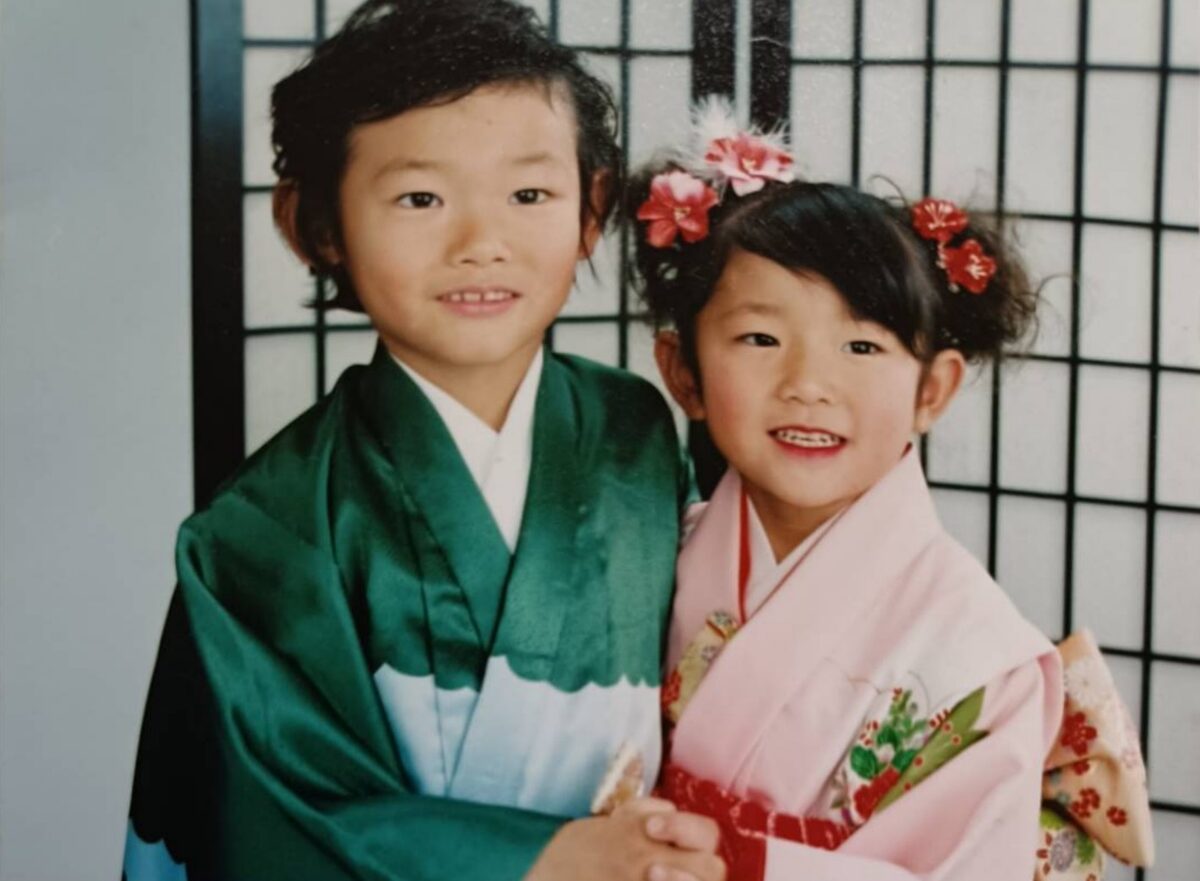
When I was in second grade, I was hit by a 10-ton truck.
For the first time, I felt that my own life would also come to an end. There was no guarantee I would be alive tomorrow, just as I was today. “Death,” which had always seemed far away, had become something that could happen to me.
“I want to use this limited life for something.”
But thinking that did not mean I knew what to do.
I didn’t want to drift through my time alive. Yet I didn’t know what I wanted to spend that time on. Carrying that question with me, little by little, I set out into worlds I didn’t know.
I didn’t know what I wanted to give my life to.
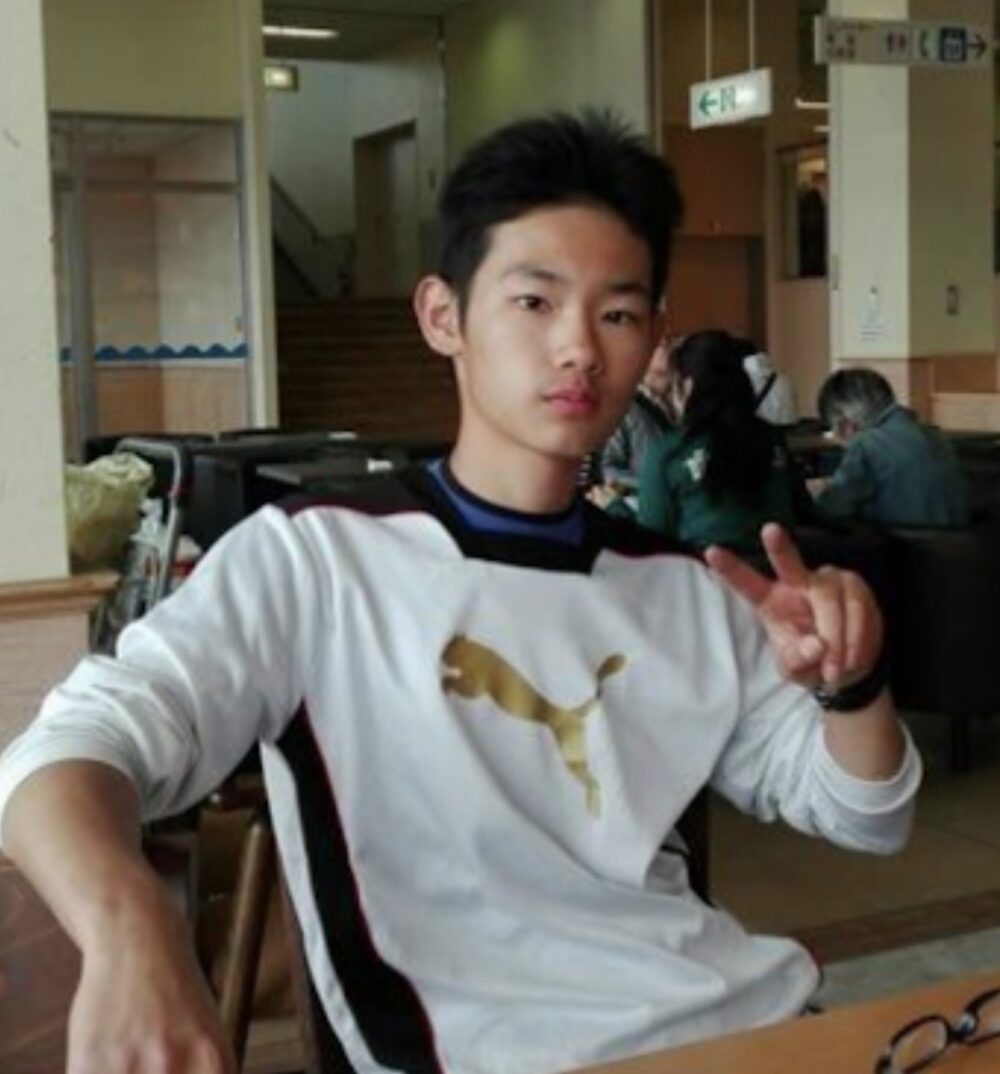
Books let me encounter ways of thinking I didn’t have. Going somewhere unfamiliar might show me something I had never seen. With that in mind, I kept reading and traveling.
I have read more than 1,000 books. I once walked from Tokyo Station to Shin-Osaka Station. After graduating from high school, I went to Australia with 30,000 yen to my name and hitchhiked about 6,000 km, performing magic on the street along the way.
After that, I worked in business management, became involved in Japanese cultural activities, and traveled about 16,000 km across the United States.
Laid out like this, it may look as though I acted without hesitation. But I did not envision my current work from the start.
What did I want to value? What did I want to spend my time on? I kept thinking about it as I met many people and saw many landscapes.
Rather than finding the answer in a single moment, each experience built gradually on the last and led to the way I think today. Along the way, the thing that came to mean the most to me was Japanese culture.
Richness also means noticing what is already here.
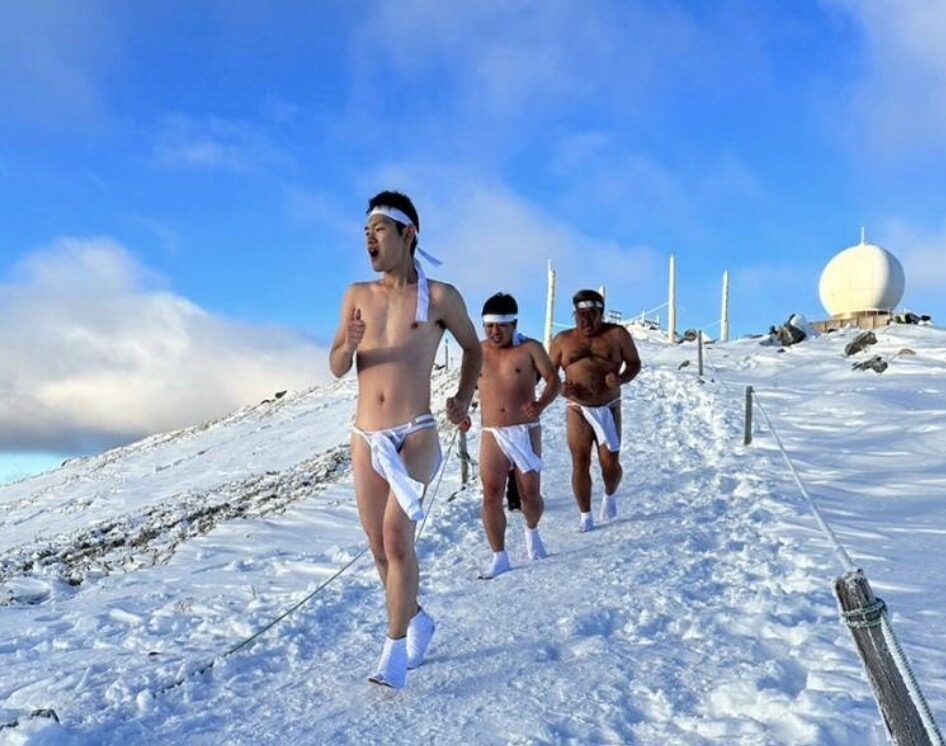
I didn’t understand the value of Japanese culture from the beginning. To be honest, at first I even wondered, “What is culture actually good for?”
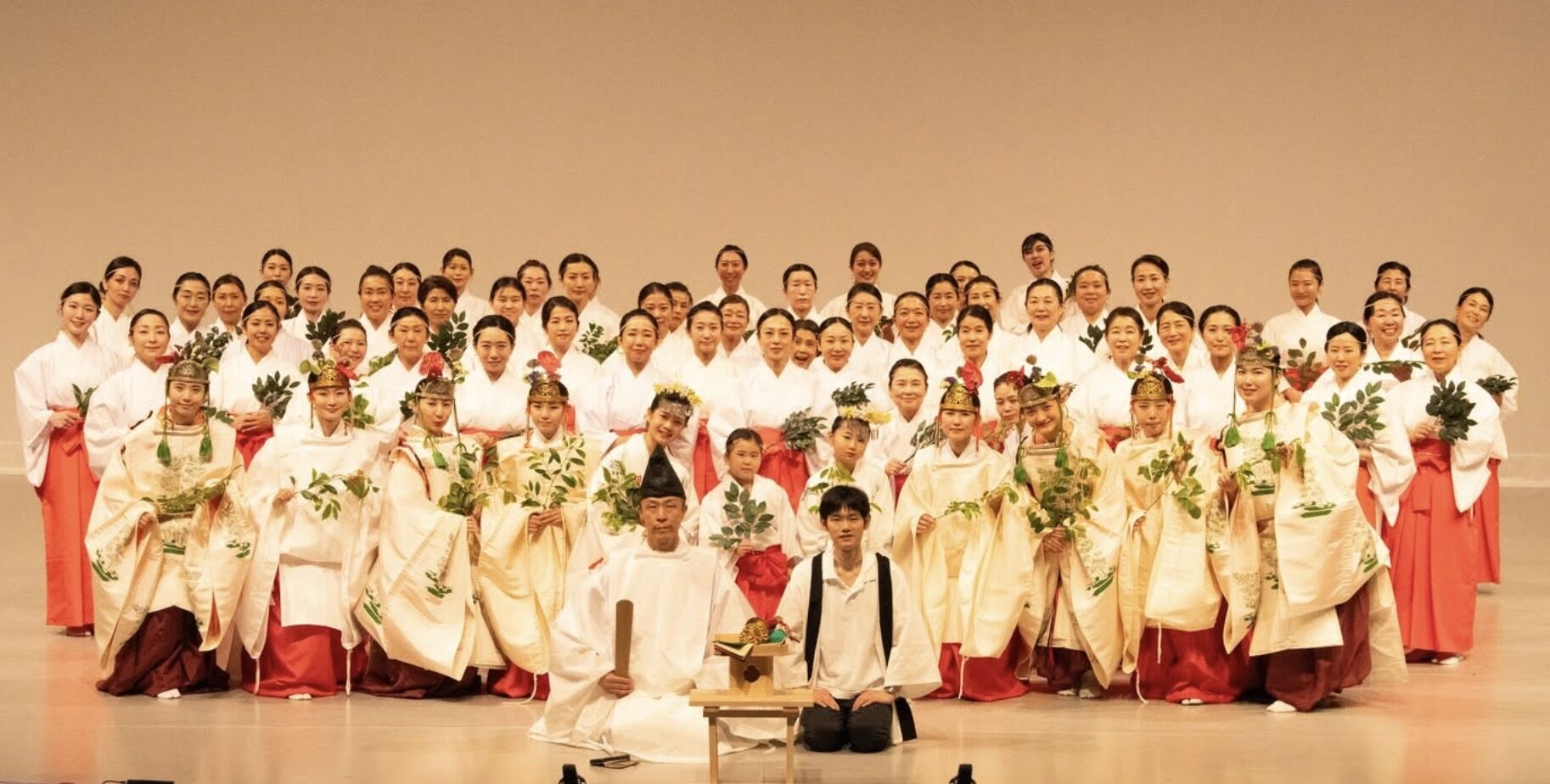
But as I learned about shrines and Shinto, and became involved in training and nurturing miko, or shrine maidens, at the NIPPON Cultural Tradition Association, my view began to change.
Ma and yohaku, the space between things and the room to pause, passed down together with etiquette and technique. Time to face one’s own heart. In them, I began to sense a connection to the question I had kept asking: how do I want to live?
For a long time, I have spent several days at a time in nature without bringing any food. After learning how hard it is to obtain food, a single rice ball from a convenience store feels truly precious.
The rice ball had not changed. What had changed was how I received it.
When we grow used to convenience, it becomes harder to notice the richness we already have. That is why I believe we need time to pause and feel our everyday lives anew.
I want to offer that kind of time through Japanese culture. Through many different experiences, what I wanted to work on gradually came into view.
At the Expo, on site where culture is shared.
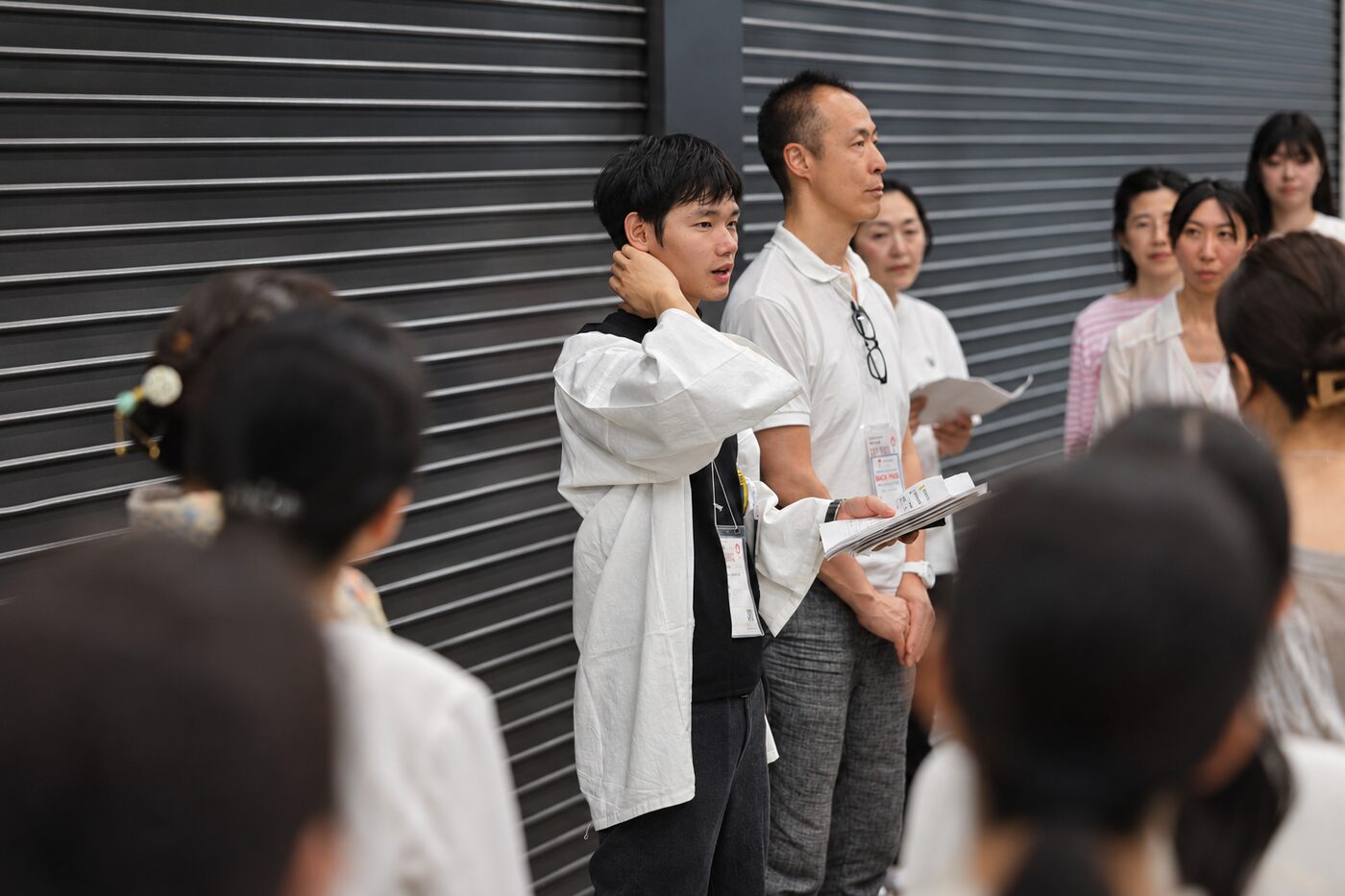
On June 2 and 3, 2025, I took part in the “Traditional Culture Future Co-Creation Project” at Expo 2025 Osaka, Kansai, as the manager of EXPO Hall. Over the two days, about 300 performers appeared on stage and about 5,000 people attended.
The performers who have carried these cultural traditions forward, and the people who supported the preparation and operations. I was involved as one member of the operations team in a space that so many people built together.
I want these encounters with culture to continue in everyday life, rather than ending on that day. That is why I now want to create a place for them.
In an age that keeps changing, what remains unchanged
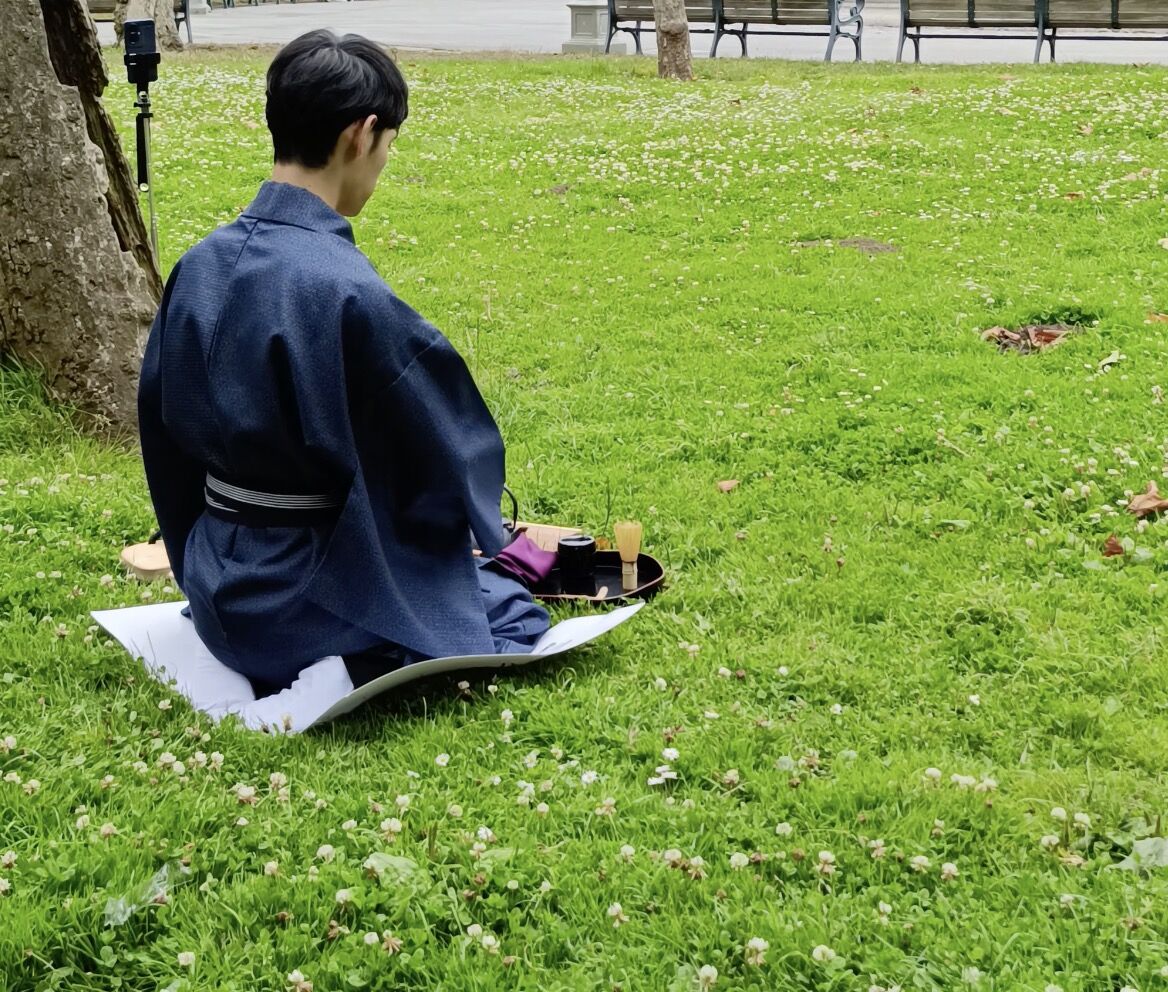
I wanted to start a company in San Francisco because I hoped to bring the time that Japanese culture has long cherished to this city, where technology is changing the world.
Everyday life keeps getting faster and more convenient. Within it, there can still be time to prepare tea, move a brush, and sit with flowers. I wanted to create a place where people can pause and listen closely to their own hearts.
In April 2027, MAORA plans to open a Japanese cultural experience center in San Francisco’s Japantown. Through tea ceremony, calligraphy, ikebana, and more, we aim to create a place where people can engage with Japanese culture as part of their daily lives.
What I want to share is the attitude toward people and nature, and the heart that senses beauty, passed down together with etiquette and technique. What is the essence of Japanese culture? I want to keep learning and asking that question myself as I share its value.
That said, I don’t believe Japanese culture alone is special.
Cultures all over the world each hold something beautiful, fleeting, and deeply moving to the human heart. Never forgetting my respect for each of them, I want, as a Japanese person, to share the culture I have encountered and learned. And I want to pass it on to the next generation.
If I have about 50 more years to devote to this work, what will I spend that time on?
To the question I have been asking since childhood, I now have my own answer. To bring inherited culture to someone, so that room for the heart opens up in their daily life. And for that culture to carry on beyond my own lifetime. That is the work I want to devote this life to.
So that one day, looking back, I can feel I lived my life to the fullest.
Through culture, bringing room to people’s hearts.
In an age that keeps changing, what remains unchanged.